Your yard is more than just the outdoor space surrounding your home; it’s an extension of your property, a place for family gatherings, relaxation, and creating lasting memories. However, many homeowners unknowingly ignore early warning signs that can turn a beautiful landscape into a safety hazard and an expensive problem.
What starts as a few overgrown branches, an aging tree, or a neglected stump can quickly lead to property damage, pest infestations, and even serious injuries during storms. Regular inspections and timely maintenance can save thousands of dollars while keeping your property safe, healthy, and visually appealing.
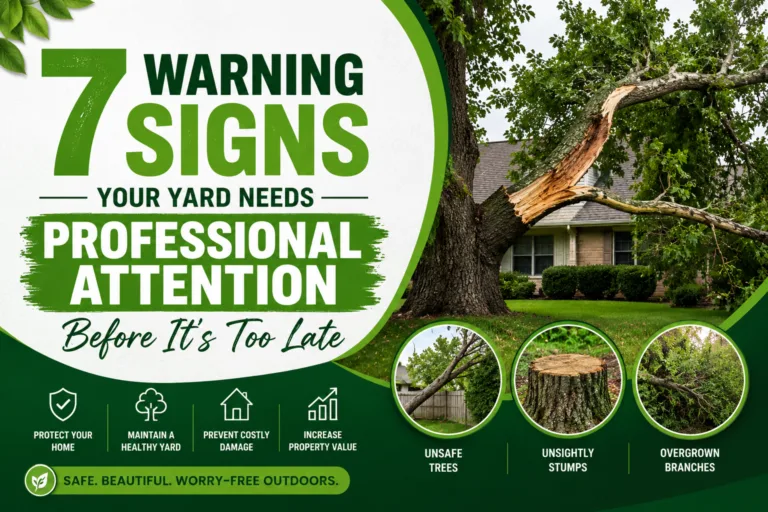
In this guide, we’ll explore the seven biggest warning signs your yard needs professional attention, practical maintenance tips, and preventative strategies every homeowner should know.
Why Regular Yard Maintenance Matters
Many homeowners focus on mowing the lawn and watering plants while overlooking larger landscape issues. Trees and shrubs continue growing year-round, and even healthy-looking trees can develop hidden structural weaknesses.
Proper landscape maintenance helps:
- Improve family safety
- Protect your home from storm damage
- Increase property value
- Prevent costly emergency repairs
- Enhance curb appeal
- Reduce pest infestations
- Improve overall landscape health
Ignoring small issues today often results in major expenses tomorrow.
1. Dead or Dying Branches Are Becoming More Common
One of the earliest signs your property needs professional attention is the appearance of dead limbs hanging from mature trees.
Dead branches may seem harmless until strong winds or heavy rain cause them to fall unexpectedly.
Warning Signs
- Branches without leaves during the growing season
- Dry, brittle limbs
- Cracks are forming near large branches
- Limbs hanging loosely
- Bark peeling away
Large dead limbs can damage:
- Roofs
- Vehicles
- Fences
- Outdoor furniture
- Utility lines
Helpful Tip
Never attempt to remove large branches using household ladders or basic tools. Improper cutting techniques can make the situation more dangerous.
2. Trees Are Leaning More Than Before
Not every leaning tree is dangerous.
However, if you notice the angle becoming more severe over time, it could indicate serious structural problems underground.
Possible Causes
- Root damage
- Soil erosion
- Heavy storms
- Disease
- Poor drainage
- Construction nearby
A tree that suddenly leans should be inspected immediately by a professional.
Signs the Lean Is Dangerous
- Exposed roots
- Soil lifting around the base
- Large cracks in the trunk
- New learning after storms
- Hollow sounds when tapping the trunk
3. Thick Overgrowth Is Blocking Light and Visibility
Trees naturally expand every year.
Without routine maintenance, branches become overcrowded, blocking sunlight and reducing airflow throughout your landscape.
This creates perfect conditions for:
- Mold
- Mildew
- Fungus
- Mosquitoes
- Rodents
Overgrown vegetation can also:
- Block sidewalks
- Hide security cameras
- Reduce visibility when driving
- Obstruct outdoor lighting
Benefits of Proper Pruning
Professionally maintained trees enjoy:
- Better airflow
- Healthier growth
- Improved structure
- Stronger branches
- Reduced storm damage risk
4. You Notice Cracks or Damage After Severe Weather
Storms often leave behind hidden damage that isn’t immediately visible.
High winds may weaken trees without causing them to fall immediately.
Weeks later, weakened branches begin breaking unexpectedly.
After every severe weather event, inspect your property for:
- Broken limbs
- Hanging branches
- Split trunks
- Exposed roots
- Fresh cracks
- Trees touching power lines
Safety Reminder
Never approach trees that are touching electrical wires.
Always contact your utility provider first before addressing tree damage.
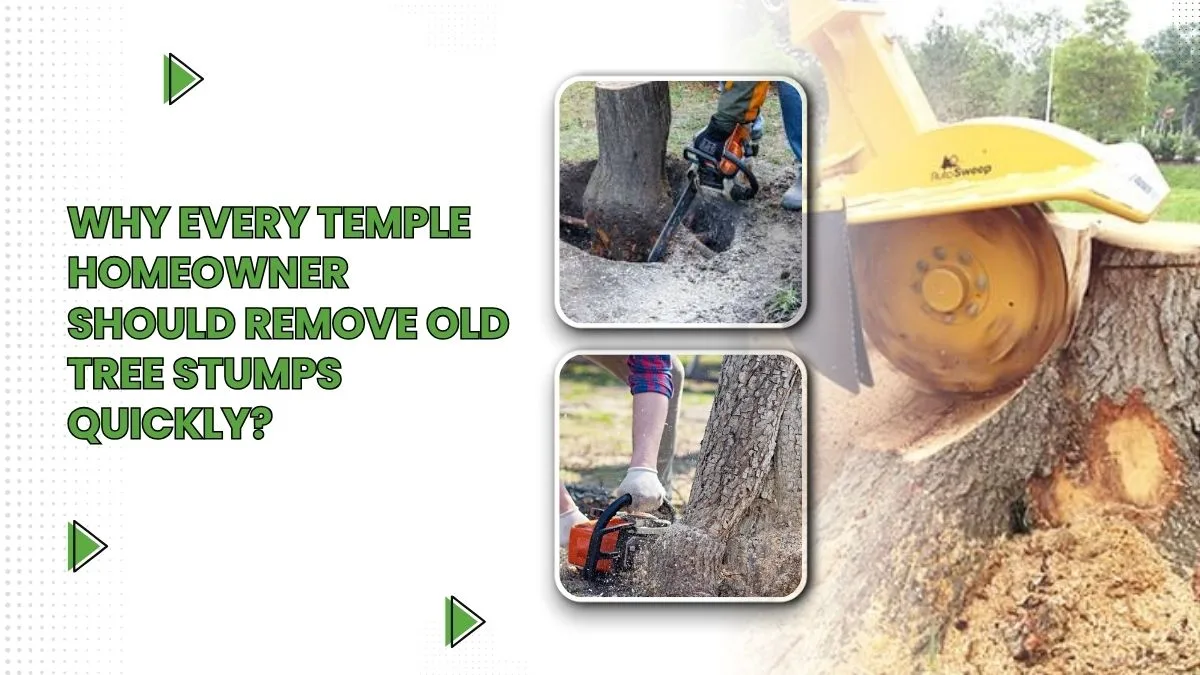
5. Old Tree Stumps Are Creating Hidden Problems
Many homeowners assume an old stump is simply an eyesore.
Unfortunately, abandoned stumps often become breeding grounds for numerous issues.
Problems Caused by Old Stumps
Pest Attraction
Rotting wood attracts:
- Termites
- Carpenter ants
- Beetles
- Wasps
- Rodents
Lawn Maintenance Difficulties
Tree stumps make mowing:
- Slower
- More dangerous
- Less efficient
Safety Hazards
Children and visitors can easily trip over hidden stumps, especially when grass grows around them.
Disease Spread
Decaying stumps may spread fungal diseases to nearby healthy trees.
6. Roots Are Damaging Nearby Structures
Tree roots naturally seek water.
Unfortunately, they often grow toward:
- Foundations
- Sidewalks
- Driveways
- Underground pipes
- Patios
Ignoring aggressive root systems can result in extremely expensive repairs.
Watch for These Signs
- Lifted sidewalks
- Cracked concrete
- Uneven patios
- Foundation cracks
- Drainage issues
A professional evaluation can determine whether corrective action is necessary before permanent damage occurs.
7. Your Property Looks Less Healthy Every Year
Sometimes the warning signs are gradual.
Instead of one major issue, your landscape gradually declines over time.
Signs include:
- Sparse tree canopies
- Yellowing leaves
- Dead shrubs
- Poor grass growth
- Increased weeds
- Frequent insect activity
A comprehensive property assessment can identify the root cause before conditions worsen.
Seasonal Yard Inspection Checklist
Keeping your property in excellent condition requires regular inspections year-round.
Spring
- Remove winter debris
- Check for storm damage
- Inspect tree growth
- Examine roots
- Remove broken branches
Summer
- Watch for drought stress
- Trim excessive growth
- Inspect for pests
- Check irrigation
Fall
- Remove dead limbs
- Prepare trees for winter
- Inspect aging trees
- Clean gutters
Winter
- Monitor heavy snow accumulation
- Inspect ice damage
- Plan maintenance projects
- Schedule preventive inspections
Why DIY Isn’t Always the Best Option
Many homeowners attempt large landscaping projects themselves.
Unfortunately, tree work consistently ranks among the most dangerous home improvement tasks.
Professional crews have specialized equipment, including:
- Safety harnesses
- Chainsaws
- Bucket trucks
- Climbing gear
- Commercial grinders
- Protective equipment
They also understand proper cutting techniques that reduce stress on healthy trees.
How Professional Maintenance Saves Money
Some homeowners delay maintenance to save money.
Ironically, waiting often increases overall costs.
Preventive maintenance can help avoid:
- Emergency storm cleanup
- Roof repairs
- Fence replacement
- Foundation damage
- Vehicle repairs
- Insurance claims
- Power line damage
Routine inspections are almost always less expensive than emergency services.
Common Yard Maintenance Mistakes
Avoid these common homeowner mistakes:
Topping Trees
Removing the entire top weakens the tree structure and encourages unhealthy regrowth.
Ignoring Small Cracks
Tiny cracks in trunks often become major structural failures.
Leaving Dead Limbs
Dead wood eventually falls.
Removing it early greatly reduces risk.
Forgetting About Stumps
Old stumps continue creating problems long after the tree is gone.
Over-Pruning
Removing too much foliage stresses otherwise healthy trees.
Landscaping Tips to Keep Your Yard Healthy
Healthy landscapes require more than occasional mowing.
Here are several practical tips:
- Water deeply instead of frequently.
- Mulch around trees to retain moisture.
- Keep mulch away from the trunk.
- Avoid damaging roots during construction.
- Watch for early signs of disease.
- Remove dead branches promptly.
- Keep trees away from structures.
- Schedule annual inspections.
- Improve drainage in soggy areas.
- Address storm damage immediately.
Frequently Asked Questions
How often should mature trees be inspected?
Most mature trees benefit from a professional inspection once every year, especially before storm season.
Can a leaning tree recover?
Some can if the issue is identified early. Others may require removal depending on the extent of root damage and structural stability.
Are old stumps dangerous?
Yes. They can attract pests, spread disease, create tripping hazards, and interfere with lawn maintenance.
What should I do after a severe storm?
Inspect your property from a safe distance. If you notice hanging branches, leaning trees, or damaged trunks, contact a qualified professional before attempting any cleanup.
Does regular maintenance improve property value?
Absolutely. A healthy, well-maintained landscape enhances curb appeal, increases buyer confidence, and adds to your property’s overall value.
Final Thoughts
A safe, attractive yard doesn’t happen by accident it requires ongoing attention and timely care. By recognizing the warning signs early, you can prevent minor issues from turning into costly repairs or dangerous situations. Whether it’s dead branches, leaning trees, invasive roots, or old stumps, addressing problems promptly helps protect your home, family, and investment.
If your property is showing any of these warning signs, don’t wait until severe weather or structural damage forces an emergency. Professional inspections and expert maintenance can extend the life of your landscape, improve curb appeal, and provide lasting peace of mind.
Apex Fencing & Roofing offers reliable property maintenance solutions, including Tree Removal, Tree Trimming, and Stump Grinding, to help homeowners maintain safer, healthier, and more beautiful outdoor spaces. Whether you need routine maintenance or assistance after a storm, their experienced team is ready to provide dependable service and quality wartistry.