Fencing material selection significantly impacts the appearance, maintenance requirements, durability, and cost of a fence project. Central Texas homeowners have several material options, each with distinct advantages and disadvantages. Understanding the characteristics of different fencing materials helps property owners make informed decisions that align with their goals, budget, and maintenance expectations.
The best fencing material depends on the specific purpose of the fence, the property’s environment, local climate conditions, aesthetic preferences, and long-term maintenance commitment. A material that is perfect for one property may be inappropriate for another. Taking time to evaluate options before beginning a project prevents costly mistakes and regret about the chosen material.
Wood Fencing: Traditional Appeal with Maintenance Needs
Wood fencing remains popular because it offers warmth, natural beauty, and versatility in style options. Wood fences can be designed to provide privacy, security, or simply define property boundaries. The wood grain and color variations create an attractive appearance that many homeowners prefer.
However, wood requires significant maintenance. In Central Texas, wood fences must withstand intense sun exposure, occasional moisture from rain and humidity, and weather variations. These conditions contribute to wood deterioration over time. Regular staining or sealing every two to three years helps protect wood and extend fence life. Without maintenance, wood becomes gray, brittle, and prone to rot.
Wood fence longevity typically ranges from fifteen to twenty years with good maintenance, or eight to ten years with minimal care. Post deterioration often occurs first, particularly where posts enter the ground. Eventually, rotted posts require replacement, which can be expensive if multiple posts fail simultaneously.
Despite maintenance requirements, many Central Texas homeowners choose wood fences for privacy applications and the natural appearance. Homeowners committed to maintenance may work with a local fence contractor in Temple or Fencing Company in Temple to develop a maintenance plan that keeps their wood fence in good condition.
Vinyl Fencing: Low Maintenance with Premium Cost
Vinyl fencing has gained popularity because it requires minimal maintenance compared to wood. Vinyl is made from polyvinyl chloride (PVC) plastic material that does not rot, splinter, or require painting or staining. Occasional cleaning with mild soap and water is typically sufficient for vinyl fence maintenance.
Vinyl offers several advantages for Central Texas properties. It resists sun damage better than wood, does not absorb moisture that leads to rot, and maintains its appearance over many years without refinishing. Vinyl fences typically last twenty to thirty years or longer with minimal maintenance.
The primary disadvantage of vinyl fencing is higher initial cost compared to wood. A vinyl fence typically costs thirty to fifty percent more than a comparable wood fence. Additionally, vinyl can become brittle in extreme cold and may crack if struck with force. In Central Texas, extreme cold is rarely a concern, but impact damage from vehicles or fallen trees can still occur.
Vinyl color options are somewhat limited compared to the natural variation of wood. However, manufacturers offer white, tan, gray, and other colors to match various property styles. Once vinyl is installed, changing the color later is not practical.
For homeowners prioritizing low maintenance and willing to invest in higher initial costs, vinyl fencing offers good long-term value. Consultation with professionals offering Roof Installation Services Belton or other service areas can help compare vinyl options with other materials.
Metal Fencing: Strength and Durability
Metal fencing, typically made from aluminum or steel, offers strength, longevity, and attractive appearance. Metal fences provide good security and are difficult to damage through normal use. They complement both traditional and modern home designs.
Aluminum fencing is lightweight, does not rust, and requires minimal maintenance. It can be painted or left to develop a natural patina over time. Aluminum fences typically last thirty years or longer. The primary disadvantage is that aluminum is not as strong as steel, so it should not be used where extreme strength is required.
Steel fencing offers greater strength but requires maintenance to prevent rust. Properly treated and painted steel can last many years, but rust prevention requires periodic repainting and maintenance. In humid environments or areas with salt exposure, steel maintenance becomes more demanding.
Metal fencing costs typically fall between wood and vinyl. Design options include picket styles, privacy panels, and decorative patterns. Metal fencing works well for properties where strength and durability are priorities, and the homeowner wants an attractive appearance without high maintenance.
Central Texas contractors specializing in metal fencing can recommend appropriate materials and designs. Whether consulting professionals offering Roof Repair Services Harker Heights or other local services, discussing metal fencing options helps homeowners understand whether this material suits their needs.
Chain Link Fencing: Practical and Affordable
Chain link fencing is the most affordable fencing option and remains practical for many applications. Chain link provides security and clearly defines property boundaries without blocking visibility. This makes it suitable for properties where an open appearance is desired.
Chain link fencing requires minimal maintenance. The galvanized coating on many chain link products resists rust for many years. Wire that does rust can be painted to extend its life. Chain link fences typically last fifteen to twenty years or longer depending on coating quality and local climate.
The primary disadvantage of chain link is its utilitarian appearance. Many homeowners do not consider it attractive for front-yard applications. Privacy can be addressed by adding privacy screening material to chain link framework, which increases cost and maintenance requirements.
Chain link works well for securing yards with children or pets, protecting garden areas, or defining boundaries where privacy is not required. For applications requiring utility over aesthetics, chain link is the most economical option. Homeowners should discuss their specific needs with a Roof Installation Services Killeen area professional or local fence contractor to determine whether chain link meets their requirements.
Composite Fencing: A Modern Alternative
Composite fencing combines wood fibers with plastic, creating a material that offers some advantages of both wood and vinyl. Composite fencing resists rot and insect damage like vinyl but offers a more natural wood-like appearance. It requires less maintenance than wood but more than vinyl.
Composite fencing is more expensive than wood or chain link but less expensive than vinyl. Its cost and maintenance levels fall between these options. Composite fences typically last twenty-five to thirty years with minimal maintenance.
Color options are limited compared to wood but typically include natural wood tones. Composite resists warping, splitting, and rot, making it a good choice for properties in areas with significant moisture or humidity.
Comparing Cost, Appearance, and Maintenance
Material selection involves balancing initial cost, appearance preferences, maintenance commitment, and durability expectations. The cheapest material initially is not always the best value over time when maintenance and replacement costs are considered.
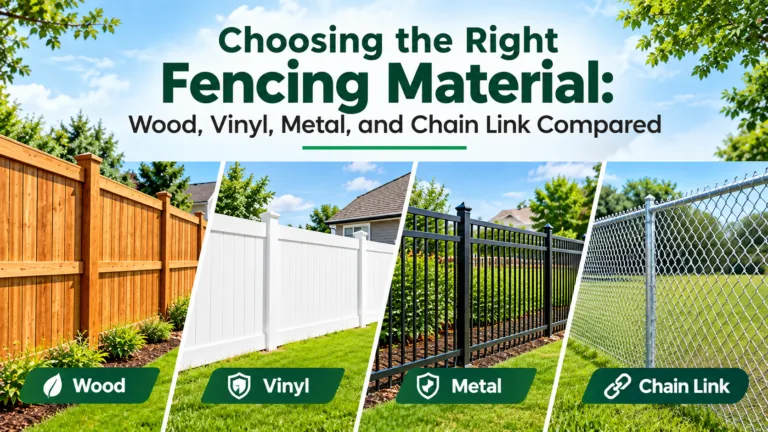
Wood offers affordable initial cost and attractive appearance but requires ongoing maintenance. Vinyl offers low maintenance and longevity but higher initial cost. Metal provides strength and good aesthetics with moderate maintenance. Chain link offers the lowest cost with minimal maintenance but minimal aesthetic appeal.
Central Texas climate should influence material selection. The intense sun, occasional hail, and weather variations favor materials that withstand UV exposure and do not require frequent refinishing. This generally favors vinyl, aluminum, or high-quality wood with excellent maintenance.
Local Considerations and Professional Recommendations
Local fence contractors understand which materials perform best in Central Texas conditions. A Fencing Company in Temple or other local provider can explain how different materials have performed in area properties and recommend materials suited to specific properties and goals.
Professional fence contractors also understand property-specific factors such as soil conditions, drainage, fence purpose, and how the fence will interact with other property elements. These considerations may influence material selection in ways that homeowners might not initially recognize.
Similarly, if roofing work is planned alongside fencing improvements, it is worth consulting with professionals about both projects. Whether discussing Roof Repair Services Temple or fencing options, professional guidance helps ensure that exterior improvements work well together.
Long-Term Value and Resale Considerations
Fencing impacts home appearance and may influence property value. High-quality, well-maintained fencing can enhance curb appeal and increase property value. Poorly maintained or deteriorating fencing can negatively impact buyer perception.
When selecting fencing material, consider how the choice affects long-term property value. A vinyl or high-quality metal fence may have higher initial cost but better long-term value than a wood fence that deteriorates quickly without expensive maintenance.
Homeowners planning to remain in their homes long-term can choose materials based on their own preferences and maintenance commitment. Those planning to sell within a few years should consider materials and conditions that appeal to potential buyers.
Final Thoughts
Fencing material selection depends on balancing cost, appearance, maintenance requirements, durability, and suitability for specific applications. Each material offers distinct advantages and challenges.
Wood fencing offers traditional appearance with higher maintenance. Vinyl provides low maintenance with premium cost. Metal combines strength and attractiveness with moderate maintenance. Chain link offers affordability with utilitarian appearance. Composite materials provide a middle ground between wood and vinyl.
Taking time to understand material characteristics and consulting with local professionals helps homeowners make informed decisions that will satisfy their needs and provide good long-term value. The right fencing material for one property may not be suitable for another, so personalized assessment and recommendations are valuable before making a final decision.