Homeowners are paying more attention to the materials used in their outdoor spaces. From landscaping products to decking and fencing, many property owners want solutions that balance appearance, durability, and environmental responsibility.
Traditional fencing remains a practical choice, but modern material options offer additional ways to reduce waste and make more thoughtful purchasing decisions. Understanding eco-friendly fencing materials can help homeowners select a fence that suits their property’s needs while considering its long-term environmental impact.
What Makes a Fence Eco-Friendly?
An eco-friendly fence is generally designed with sustainability in mind. This may involve using recycled materials, responsibly sourced wood, durable products, or materials that require less frequent replacement.
The manufacturing process, transportation, maintenance requirements, and expected lifespan can all influence the overall environmental impact of a fencing product.
A material is not automatically sustainable simply because it is marketed as environmentally friendly. Homeowners should consider its entire lifecycle before making a decision.
Popular Sustainable Fencing Materials
1. Responsibly Sourced Wood
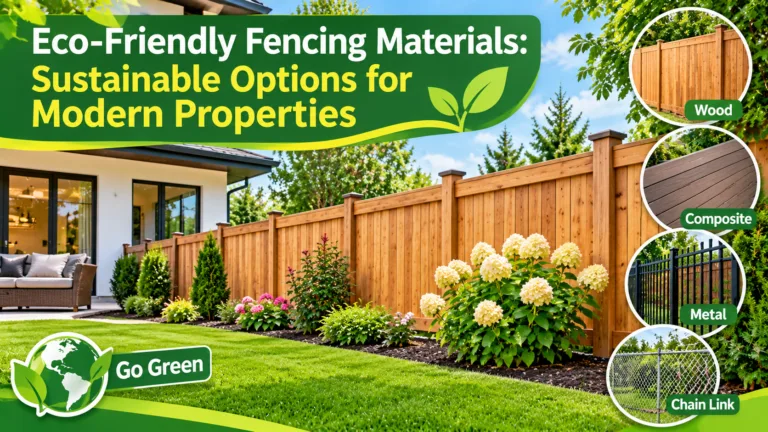
Wood remains one of the most familiar materials for residential fencing. It offers a natural appearance and can complement gardens, outdoor seating areas, and traditional home designs.
Homeowners looking for more responsible options can consider wood sourced from well-managed forests. Reclaimed wood may also be suitable for certain fencing projects, depending on its condition and structural quality.
The type of wood, treatment process, and exposure to weather will affect maintenance requirements and service life. Regular inspections can help identify rot, loose boards, and other problems before they become more serious.
2. Recycled Composite Fencing
Composite fencing is typically manufactured using a combination of recycled plastic and wood-based materials, although product compositions vary.
It can provide the appearance of traditional wood while reducing the need for some routine maintenance tasks. Certain composite products also make use of materials that might otherwise become waste.
Before choosing composite fencing, check the manufacturer’s information about recycled content, product durability, maintenance, and end-of-life disposal options.
3. Recycled Metal Fencing
Metal fencing made with recycled steel or aluminum can be another option for environmentally conscious property owners.
Metal fencing offers structural strength and can work well for residential, commercial, and decorative applications. Its long service life may reduce the need for frequent replacement when the product is properly installed and maintained.
The coating and finish should be appropriate for the local climate to help reduce corrosion and surface deterioration.
4. Reclaimed and Repurposed Materials
Some fencing projects can incorporate reclaimed timber or previously used metal components. Repurposing suitable materials may reduce demand for newly manufactured products.
However, reused materials should always be checked for structural problems, chemical treatments, corrosion, and other safety concerns. Damaged or unsuitable materials should not be used simply to reduce project costs.
How to Choose the Right Sustainable Fence
The best eco-friendly fencing option depends on the property’s design, budget, climate, and intended use.
For example, responsibly sourced wood may suit homeowners who prefer a natural look. Composite fencing may appeal to those seeking a wood-style appearance with different maintenance requirements. Metal fencing may be appropriate when long-term structural performance is a priority.
Consider these factors before purchasing:
- Durability: A long-lasting fence may reduce the need for repeated replacement.
- Maintenance: Review the cleaning, staining, painting, and repair requirements.
- Material sourcing: Look for clear information about recycled content or responsible sourcing.
- Climate suitability: Choose materials that can handle local moisture, sunlight, wind, and temperature conditions.
- Disposal: Consider whether the material can be recycled, reused, or responsibly disposed of at the end of its service life.
Why Professional Installation Matters
Even a high-quality sustainable material can perform poorly when the fence is installed incorrectly. Uneven posts, weak foundations, unsuitable fasteners, and poor drainage can shorten the life of a fencing system.
Professional installation from a fence contractor in Temple helps ensure that materials are used appropriately and the fence is designed for the property’s conditions. It can also reduce the possibility of early repairs caused by construction issues. A Fencing Company in Temple can recommend materials that suit local conditions and planned use.
Final Thoughts
Eco-friendly fencing gives homeowners more opportunities to consider sustainability without ignoring appearance, function, or durability. Responsibly sourced wood, recycled composite, recycled metal, and reclaimed materials each offer different advantages.
The right choice depends on how the fence will be used and how well the material suits the surrounding environment. By comparing product information, maintenance requirements, and expected lifespan, homeowners can make a more informed fencing investment for their property.