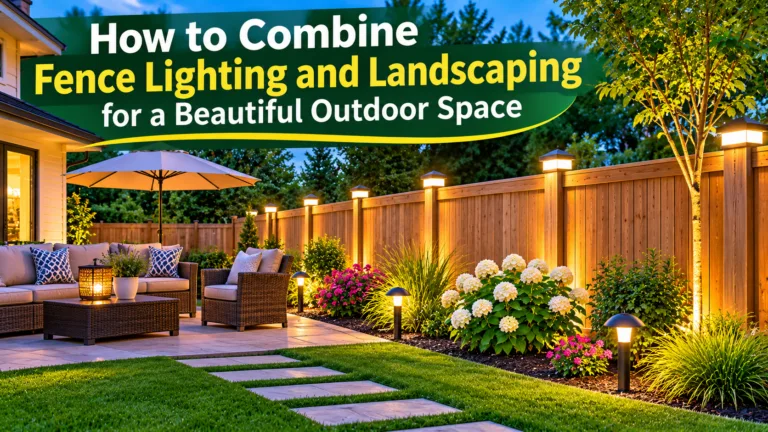
A well-designed fence does more than define the boundary of a property. It can also become an important part of the overall outdoor appearance. When fencing is combined with suitable lighting and landscaping, an ordinary backyard can feel more comfortable, organized, and visually appealing.
The key is to make sure that the fence, plants, lighting fixtures, and outdoor features work together rather than compete for attention.
Whether you have a wood privacy fence, decorative metal fencing, or a vinyl boundary, thoughtful planning can help create a more attractive outdoor environment.
Start With the Right Fence Design
The fence provides the foundation for the overall layout. Its material, height, color, and style will influence the type of landscaping and lighting that works best.
A wooden privacy fence can create a warm background for garden beds and outdoor seating areas. Aluminum fencing may be better suited to landscaped gardens where homeowners want to maintain an open view. Vinyl fencing can provide a clean background for colorful plants and decorative features.
Before choosing lighting or plants, evaluate the fence’s condition and make sure it is properly installed by a fence contractor in Temple. Landscaping and decorative features should not hide structural damage or interfere with gate operation.
Fence Lighting Ideas for Better Outdoor Ambience
1. Fence Post Cap Lights
Post cap lights are designed to fit on top of compatible fence posts. They can add a decorative finishing touch while providing soft illumination along the fence line.
These fixtures are commonly used with wood and certain vinyl or metal fencing systems. Make sure the selected product is compatible with the post dimensions and suitable for outdoor exposure.
2. Solar-Powered Fence Lights
Solar lights can be useful in areas where running electrical wiring is difficult. They collect energy during daylight hours and use stored power for nighttime illumination.
Their performance depends on sunlight exposure, weather conditions, battery quality, and fixture placement. Shaded areas may require a different lighting solution.
3. Motion-Activated Lights
Motion-activated lighting can improve visibility near gates, pathways, and entrances. The lights switch on when movement is detected, making them practical for frequently used outdoor areas.
Choose fixtures with suitable brightness and carefully position them to avoid directing excessive light toward neighboring properties.
4. Pathway and Garden Lighting
Lighting does not need to be attached directly to the fence. Low-voltage garden fixtures and pathway lights can create a balanced appearance throughout the yard.
Position them to illuminate walking areas, garden features, and outdoor seating spaces without creating harsh glare.
Use Landscaping to Complement Your Fence
Plants can soften the appearance of a fence and make an outdoor space feel more natural. However, landscaping should be selected according to the available space and the amount of sunlight the area receives.
Flower beds: Colorful flowers placed along a fence can introduce seasonal interest and create a welcoming backyard atmosphere.
Shrubs: Carefully selected shrubs can provide greenery throughout the year. Allow enough distance between plants and the fence to support airflow and maintenance access.
Climbing plants: Certain climbing plants can add texture to suitable fence structures. However, heavy growth and moisture retention may affect some materials. Check whether the fence can support the plant before installation.
Decorative planters: Freestanding planters offer flexibility because they can be moved or rearranged without attaching anything to the fence.
Plan Your Lighting and Landscaping Together
One of the most common outdoor design mistakes is adding too many decorative features without considering their placement.
Before starting, create a simple layout showing the fence line, walking paths, garden beds, seating areas, and lighting positions.
Keep gates, access points, and maintenance areas clear. Avoid placing large shrubs where they may block cameras, cover lights, or prevent a gate from opening properly.
Electrical fixtures and outdoor wiring should be installed according to applicable safety requirements. Weather-rated products and suitable professional installation are especially important in exposed outdoor locations.
Maintain the Entire Outdoor Setup
Plants grow, lighting fixtures collect dirt, and outdoor materials experience changing weather conditions. Regular maintenance helps keep the space functional and attractive.
Trim plants before they become crowded, clean lighting fixtures, check electrical connections, and inspect the fence for loose posts or damaged panels. Address drainage problems to prevent water from collecting near fence foundations.
Final Thoughts
Combining fence lighting and landscaping is an effective way to make an outdoor space more inviting. From decorative post cap lights and solar fixtures to colorful flower beds and carefully selected shrubs, small design improvements can make a noticeable difference.
Start with a fence that suits your property, then add lighting and landscaping that complement its appearance. A Fencing Company in Temple can help select a fence that works well with your lighting and planting plans. With careful planning and regular maintenance, you can create an outdoor area that remains attractive, comfortable, and practical throughout the year.