Central Texas homeowners choosing new fencing must weigh material options including wood, vinyl, metal, and chain link. Each material offers different advantages regarding durability, maintenance requirements, aesthetics, and cost. Understanding the characteristics of each helps homeowners select fencing that meets their needs, budget, and lifestyle.
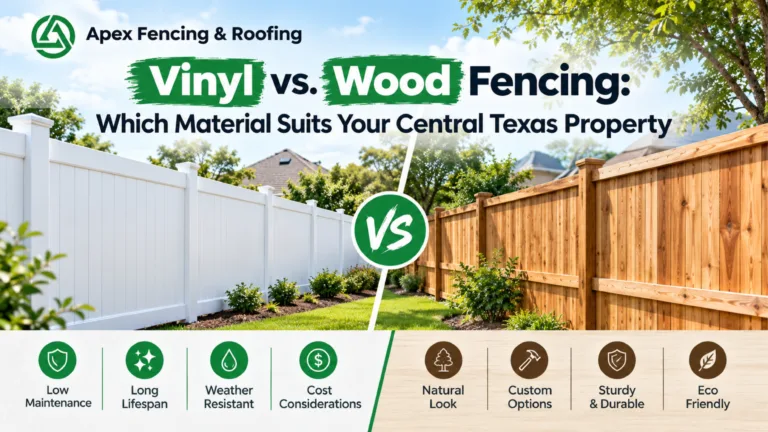
Wood and vinyl are the most popular residential fencing materials in Central Texas, each offering distinct advantages and disadvantages. Comparing these options helps you make an informed decision about which material best serves your property.
The Traditional Choice: Wood Fencing
Wood fencing has been popular for centuries because it offers natural aesthetic appeal, versatility in design, and reasonable initial cost. Wood can be stained or painted in any color, allowing customization to match home architecture and landscaping. Wood is warm and attractive in appearance and blends naturally with outdoor environments.
Cedar and pressure-treated pine are the most common wood fencing materials in Central Texas. Cedar is naturally resistant to rot and insects, making it more durable than untreated wood. Pressure-treated wood is treated with chemicals that resist rot, extending its lifespan. Both materials are available in various grades and styles.
Wood fencing requires regular maintenance to maintain appearance and extend lifespan. Staining or sealing is typically required every two to three years to protect the wood from UV damage and weather exposure. Without maintenance, wood weathers quickly, becoming gray and brittle. Regular maintenance is necessary to keep wood fencing attractive and structurally sound.
In Central Texas climate, wood fencing can last fifteen to twenty years with proper maintenance. Without maintenance, lifespan is significantly shorter. Freeze-thaw cycles, intense sun exposure, and moisture variations all stress wood and accelerate deterioration if not protected by finishes.
Maintenance Requirements: Wood Fencing
Maintaining wood fencing is more labor-intensive than maintaining vinyl. Wood requires regular staining or sealing to prevent weather damage. This typically means applying sealant or stain every two to three years. The process requires pressure washing to clean the wood, allowing adequate drying time, and then applying the protective finish.
Wood is susceptible to rot, particularly in areas where moisture accumulates or where soil contact promotes decay. Posts set in poor-draining soil deteriorate faster than those in well-drained areas. Post replacement becomes necessary when rot is too extensive to repair.
Insects including termites and carpenter ants can damage wood fencing. Regular inspection allows early identification of insect damage so treatment can prevent extensive damage. Pressure-treated wood is more resistant to insect damage than untreated wood, making it a better choice in areas prone to pest problems.
The Modern Alternative: Vinyl Fencing
Vinyl fencing is a relatively modern innovation that offers low-maintenance, attractive fencing. Vinyl is made from polyvinyl chloride (PVC) plastic, a durable material that resists weather, insects, and rot. Vinyl fencing does not require staining, sealing, or regular maintenance.
Vinyl can be made in various colors and styles that mimic traditional fence materials while providing modern benefits. White vinyl is the most traditional appearance, but vinyl is available in earth tones, grays, and other colors that complement contemporary home designs.
Initial cost of vinyl fencing is typically higher than wood fencing. However, lower maintenance requirements often result in lower total cost of ownership over the fence’s lifespan. A vinyl fence that costs more initially may cost less over twenty years than wood requiring regular expensive maintenance.
Vinyl fencing can last twenty-five to thirty years or longer with minimal maintenance. Some manufacturers offer warranties of twenty years or more, reflecting confidence in vinyl’s durability. This extended lifespan provides excellent value despite higher initial costs.
Maintenance Requirements: Vinyl Fencing
Vinyl fencing requires minimal maintenance. Periodic cleaning with a garden hose or mild soap and water keeps vinyl looking like new. No staining, sealing, or painting is necessary. For most homeowners, this ease of maintenance is worth the higher initial cost.
Vinyl does not rot, splinter, or become infested with insects. It does not require inspection for pest damage or rot. Vinyl does not need post replacement due to weather damage. This simplicity makes vinyl attractive to homeowners who want attractive fencing without an ongoing maintenance burden.
Vinyl can become discolored or chalky over extended time, particularly in intense sunlight. Periodic cleaning restores appearance. UV inhibitors in quality vinyl minimize chalking and color fading. High-quality vinyl maintains appearance better than cheaper vinyl grades.
Durability Comparison
In Central Texas climate, wood fencing typically lasts fifteen to twenty years with proper maintenance. Vinyl lasts twenty-five to thirty years or longer with minimal maintenance. Vinyl’s superior durability in extreme heat and sun makes it particularly suitable for Central Texas.
Wood fencing can be damaged by severe weather, requiring repair or replacement. Vinyl is more resistant to storm damage, though extremely high winds can damage any fencing. Vinyl’s superior durability means fewer repairs and replacements over time.
Wood supports growth of mold and fungal organisms in wet conditions. Vinyl does not support biological growth. In areas prone to moisture problems, vinyl is more resistant to damage and deterioration.
Cost Analysis: Initial and Long-Term
Wood fencing typically costs less initially, with prices ranging from fifteen to twenty-five dollars per linear foot for quality cedar or pressure-treated wood. Vinyl typically costs thirty to fifty dollars per linear foot, making initial vinyl installation more expensive.
However, maintenance costs significantly affect long-term expenses. Wood requires staining or sealing every two to three years, costing several hundred to several thousand dollars depending on fence size. Vinyl requires only occasional cleaning, costing minimal expense.
Over twenty years, the total cost of wood fencing, including maintenance, may exceed the initial cost of vinyl fencing. A fence initially saving money through lower cost may ultimately cost more when maintenance is considered.
Contractors offering Roof Installation Services Belton can provide detailed cost comparisons for wood versus vinyl fencing in your area. A professional analysis helps evaluate long-term cost implications of material choices.
Aesthetic Considerations
Wood fencing offers natural aesthetic appeal that some homeowners prefer. Wood weathers beautifully and develops character over time. For homeowners who enjoy the natural look of weathered wood, this is a significant advantage.
However, maintaining wood’s attractive appearance requires regular maintenance. Many homeowners find this maintenance burden interferes with their enjoyment of the fencing. Vinyl maintains a consistent appearance without effort, which appeals to homeowners who want attractive fencing without work.
Vinyl aesthetics have improved significantly over the years. Modern vinyl mimics wood appearance effectively, providing natural-looking fencing without wood’s maintenance requirements. Some homeowners cannot distinguish vinyl from wood without close inspection.
Environmental and Health Considerations
Wood is a renewable, biodegradable material. However, wood production requires tree harvesting and processing. Additionally, chemical treatments used to protect wood from rot and insects raise environmental concerns for some homeowners.
Vinyl is a petroleum product, raising environmental concerns for some homeowners. Vinyl does not biodegrade, though it is durable and long-lasting, reducing the frequency of replacement. Manufacturing and disposal of vinyl have environmental impacts. Some homeowners prefer wood for environmental reasons.
For homeowners prioritizing environmental impact, locally-harvested untreated wood from sustainably-managed forests may be preferable. For those prioritizing durability and minimal environmental impact of maintenance, vinyl’s long lifespan and low maintenance may be more environmentally responsible overall.
Installation Considerations
Wood and vinyl installation methods are similar, with posts set in concrete footings and horizontal pieces fastened to vertical posts. Professional installation is important for both materials to ensure proper depth, alignment, and durability.
Vinyl is sometimes considered easier to install because it does not require specialized tools for finishing. However, quality installation requires proper techniques for both materials. A Roof Repair Services Harker Heights or fence professional ensures proper installation regardless of material choice.
Coordinating Fence and Roof Projects
When planning new fencing, consider whether roof work is also needed. Coordinating Roof Installation Services Killeen with fence installation allows contractors to stage equipment efficiently and complete both projects with minimal property disruption.
Material selection for fencing should complement roof materials and home architecture. Roof Repair Services Temple and fencing contractors can help select materials that coordinate with overall home appearance.
Choosing the Right Material for Your Situation
Homeowners who enjoy outdoor projects and do not mind regular maintenance may prefer wood fencing. For those with time and desire to maintain fencing appearance, wood’s natural beauty and customization options are appealing.
Homeowners seeking low-maintenance, attractive fencing may prefer vinyl. For those who want fencing that looks great with minimal effort, vinyl’s durability and ease of care justify the higher initial cost.
Your lifestyle, budget, environmental priorities, and property aesthetic should all influence material selection. A Fencing Company in Temple can discuss material options and help you select fencing that best serves your needs and priorities.
A professional fence contractor in Temple can explain both materials’ performance in Central Texas climate and help you make an informed decision about your property’s fencing.
Final Thoughts
Both wood and vinyl fencing offer attractive options for Central Texas homeowners. Wood offers natural aesthetics and lower initial cost but requires significant maintenance. Vinyl offers durability and low maintenance but costs more initially. Analyzing long-term cost, maintenance commitment, and aesthetic preferences helps you select fencing that best serves your property and lifestyle.
Quality installation is essential for both materials’ longevity and performance. Working with professional contractors ensures that fencing is installed properly and functions reliably for decades.